Nigeria
Kebbi State, Nigeria — Towns & Travel Guide
Kebbi State fills Nigeria's far north-west, a savanna land drained by the Niger and the Rima and famous for the Argungu fishing festival.
Hotel links are affiliate links: booking through them may earn us a commission, at no extra cost to you. It never affects how places are ranked. How this works


Towns & cities in Kebbi State
One town here has its own guide — it links to where to stay.
 Nigeria
Birnin Kebbi
Birnin Kebbi is the capital of Kebbi State and headquarters of the Gwandu Emirate, a Hausa and Fulani city in the north-west of Nigeria.Where to stay →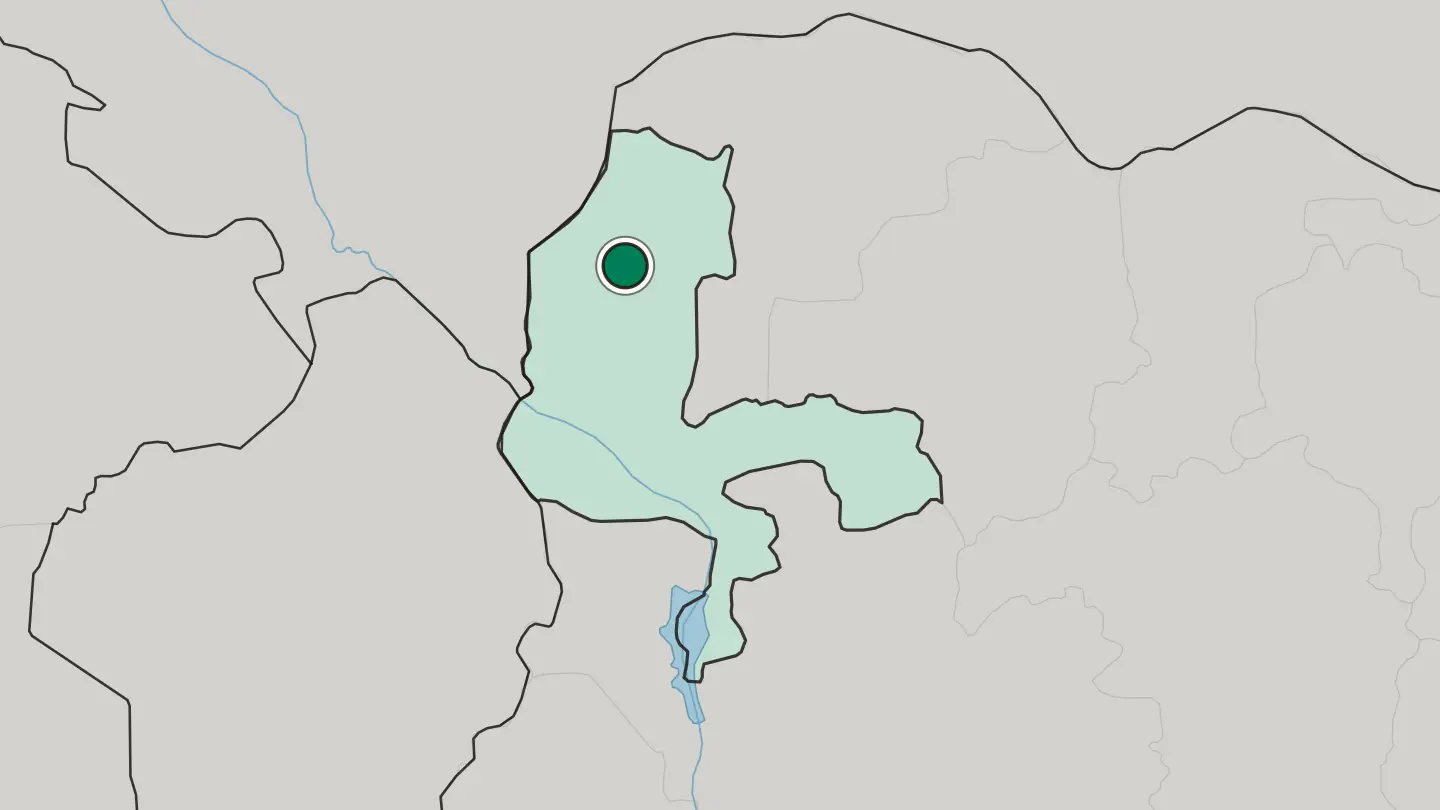
Hotel links are affiliate links: booking through them may earn us a commission, at no extra cost to you. It never affects how places are ranked. How this works
About Kebbi State
Kebbi is fishing and farming country.
What is Kebbi State known for?
Its name carries the Argungu fishing festival, held on the Sokoto arm of the Rima River, where thousands of men wade in at once for a single hour to land the largest fish. The state also holds most of Kainji Lake, the vast reservoir the Niger River forms behind the Kainji Dam in the south. Sorghum and millet come off the floodplains around Birnin Kebbi and Jega, along with groundnuts, onions and rice, and the old Kingdom of Kebbi still shapes how the region remembers itself.
Where is Kebbi State?
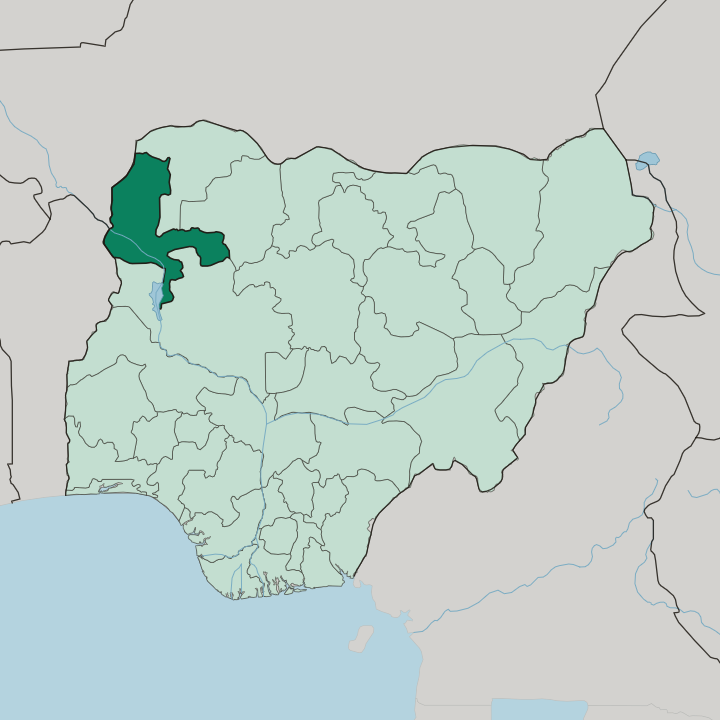
Kebbi occupies the far north-west corner of Nigeria, where the country's border runs up against Benin and the Republic of the Niger. Sokoto State and Zamfara State lie to the north and east. Niger State closes off the south. The land is short-grass savanna, part Sudan and part Sahel toward the drier north, laid out flat and sandy across most of its width.
Great rivers set the shape of the rest of Kebbi. The Niger River cuts south-west through the lower part of the state, and the Rima River, which also carries the name Sokoto River, runs down through the centre past Argungu and Bagudo to meet it. Where the Niger widens behind the Kainji Dam it forms Kainji Lake, and the greater share of that long reservoir sits inside Kebbi's southern local government areas around Yauri.
Birnin Kebbi, the capital, stands on the Sokoto arm of that river system in the west. The floodplains those rivers leave behind are the reason the state farms and fishes the way it does. Little of Kebbi lies far from moving water.
What is Kebbi State like?
Kebbi is Hausa-speaking country, and that language carries most of daily life across the state. The Fulani herd cattle across the same savanna, and the Zuru people hold the south-east with a distinct culture of their own. Islam sets the rhythm of the towns, though it came here late and largely by persuasion rather than conquest.
The Kebbawa, the people of old Kebbi, kept their own line of rulers through centuries of rivalry with Sokoto. Festivals are where that identity turns outward. The Argungu fishing festival is the loudest of them, a river spectacle first staged as a great event in 1934 to mark peace between Kebbi and the Sokoto Caliphate, with wrestling, canoe races and drumming around the fishing itself.
Over in the Zuru country the Uhola harvest festival runs every year, older and quieter and rooted in the farming calendar. In Argungu the Kanta Museum guards weapons, regalia and relics of the sixteenth-century kingdom, named for the warrior who founded it. Craft, cattle and river run through all of it.
What is the history of Kebbi State?
One warrior made this place. The Kingdom of Kebbi grew up here in the mid-sixteenth century, carved out of the falling Songhai Empire by Muhammadu Kanta after he broke away from its rule and turned it into a formidable power on the western edge of Hausaland. Kebbi resisted the Fulani jihad.
Its rulers fought Sokoto on and off for generations, regrouping at Argungu after they lost the old capital at Birnin Kebbi. The British took over early in the twentieth century, and the modern state was cut from Sokoto State on 27 August 1991.
What is the climate of Kebbi State?
Kebbi runs hot and dry for most of the year. The savanna sits between the Sudan and Sahel zones, so the north edges toward true semi-desert while the rivers keep the south greener. Rain comes in a single wet season from about mid-May to mid-September, and the rest of the calendar is dry, dusty harmattan blowing off the Sahara.
Days climb steeply on the open plains around Birnin Kebbi. The floods that feed the fishing arrive with those summer rains.
How do you get to Kebbi State?
Most travellers fly into Sir Ahmadu Bello International Airport at Birnin Kebbi, which links the capital with Lagos and Abuja and runs Hajj flights in season. Roads carry the rest of the traffic, north to Sokoto State and south toward Niger State and the Kainji Lake crossings. The old routes were the rivers.
The Niger and the Rima still frame how the state moves, and canoes work the water around Yauri and Argungu much as they always have. Overland is how most of Nigeria reaches Kebbi.
Good for
More regions in Nigeria
Updated September 2026