Sweden · Norrbotten County
Where to Stay in Abisko, Norrbotten County
Northern lights draw travellers to Abisko, a village on lake Torneträsk in Norrbotten County, known for its national park and the Kungsleden trail.
Hotel links are affiliate links: booking through them may earn us a commission, at no extra cost to you. It never affects how places are ranked. How this works


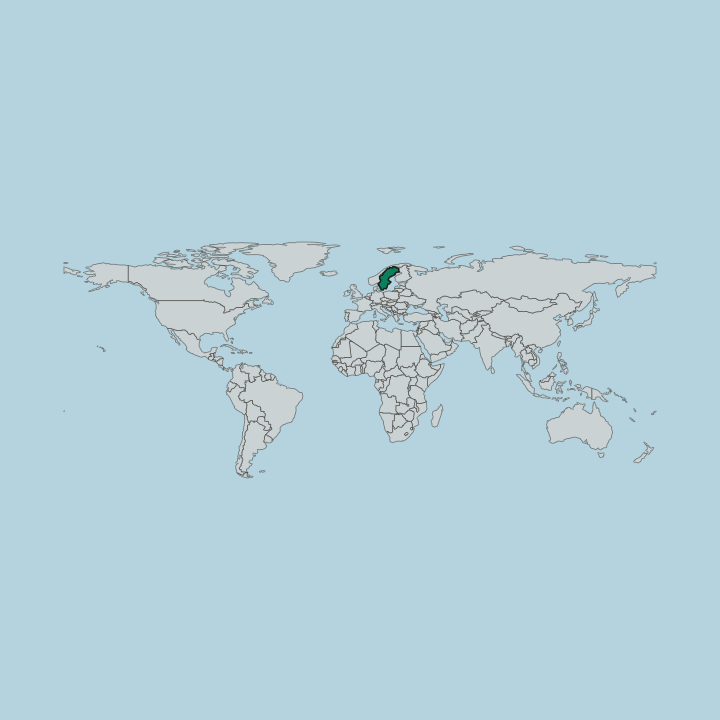
Where to stay in Abisko
Where visitors usually base themselves, and why.
Abisko offers two bases a short way apart, and choosing between them shapes the whole stay. The mountain station above the national park gathers hikers and aurora watchers into lodge rooms, cabins, and a hostel, with the Kungsleden trailhead and the Nuolja chairlift at the door, and it suits you if you want guided nights and gear close at hand. The village of Abisko Östra lies east along the lake.
Guesthouses and small hostels there run simpler and quieter, with the food shop, the railway halt, and frozen Torneträsk below. Björkliden, ten minutes west by road or rail, adds a fell hotel and cabins with wide views over the lake toward Lapporten. Winter is the scarce season.
Aurora trips fill beds from December to March, so reserve early, while summer hikers find more room outside the midsummer weeks. The Swedish right of public access allows tents on the open fell outside the park boundary.
Find hotels in Abisko
Direct booking searches for these neighbourhoods.
Abisko Turiststation
lodge, cabins, and trailhead beside the national park and the Nuolja chairlift. Lodging is scarce in this area; reserve in advance.Find hotels in Abisko Turiststationindependent aurora watchersAbisko Östra
village guesthouses by the railway halt with open views over Torneträsk. Lodging is scarce in this area; reserve in advance.Find hotels in Abisko Östrafell views toward LapportenBjörkliden
hotel and cabins ten minutes west above the lakeFind hotels in BjörklidenHotel links are affiliate links: booking through them may earn us a commission, at no extra cost to you. It never affects how places are ranked. How this works
About Abisko
What is Abisko known for?
Abisko is known for the northern lights, which appear with unusual reliability because the surrounding fells cast a rain shadow that keeps the sky over lake Torneträsk clear. Locals call it the blue hole. Abisko National Park, protected since 1909, follows the canyon of the Abiskojåkka river down to the lake, and the Kungsleden trail begins its long run south at the mountain station.
A chairlift climbs Nuolja for aurora nights at the Aurora Sky Station.
What are the main landmarks in Abisko?
Abisko's most photographed landmark is not a building but a gap, the U-shaped valley of Lapporten framed across lake Torneträsk. The canyon comes a close second. Just below the mountain station, the Abiskojåkka river has cut a narrow gorge on its way to the lake, crossed by footbridges inside Abisko National Park.
Naturum Abisko explains the fell world at the park gate, the old Abisko Sami camp preserves turf huts from herding days, and the small Gränsförsvarsmuseum recalls the border watch of the war years. The Aurora Sky Station rides above on Nuolja.
What is the history of Abisko?
Abisko took its name from the Sami long before the railway came, from words meaning forest by the great water. Herders moved reindeer through these valleys for centuries. The Iron Ore Line changed the pace in 1902, putting stations at the lake on the route between Kiruna and Narvik, and the navvies' huts grew into a village.
Protection followed fast. Abisko National Park was set aside in 1909 among Sweden's first national parks, and a scientific research station rose by Torneträsk in the same years to measure the subarctic sky. Tourists came with the trains.
The Swedish Tourist Association built its mountain station at the park edge, walkers pushed south along what became the Kungsleden, and aurora science slowly turned into aurora tourism. During the Second World War the border hills carried watch posts, remembered in the village museum.
Where is Abisko?
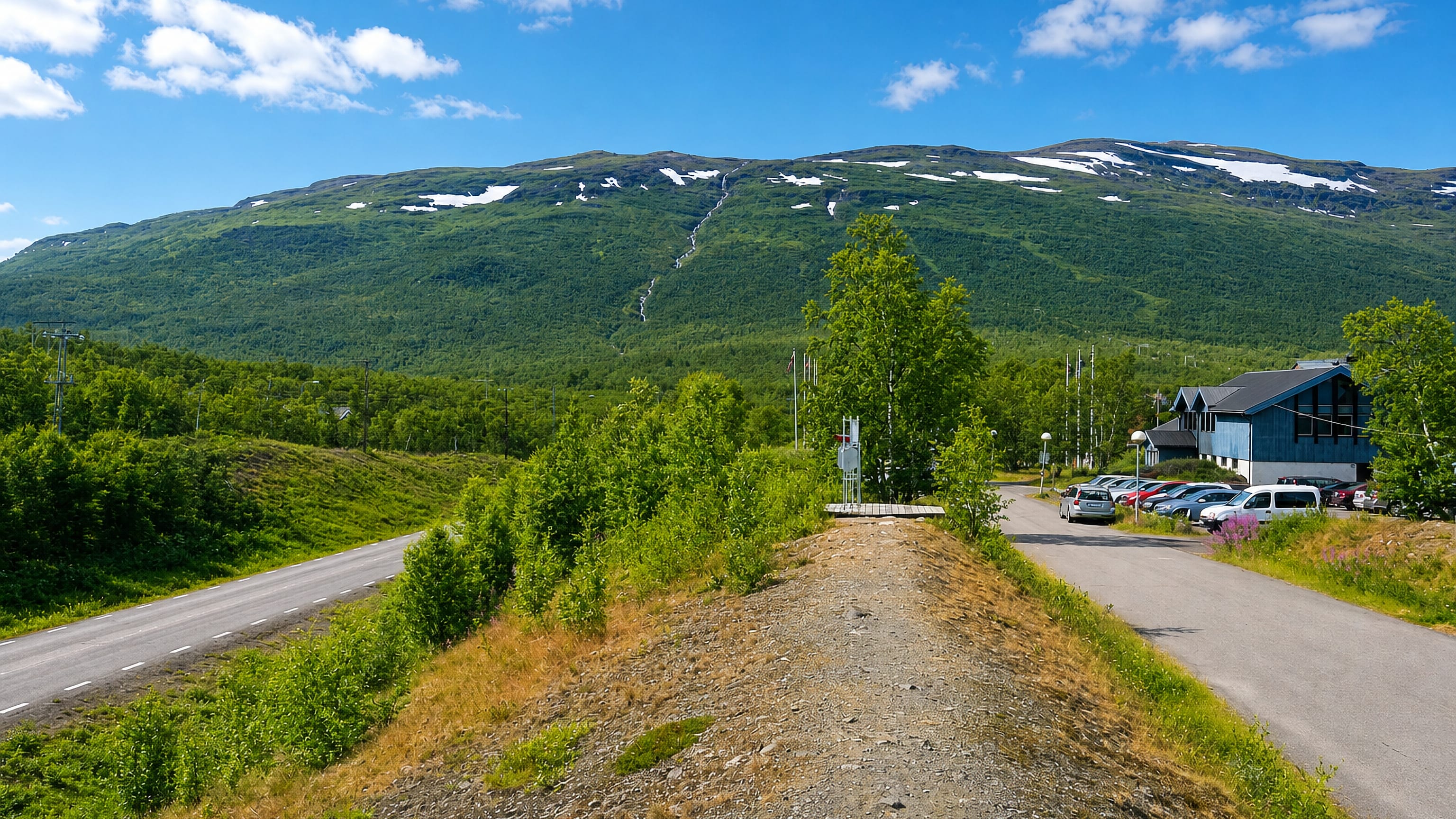
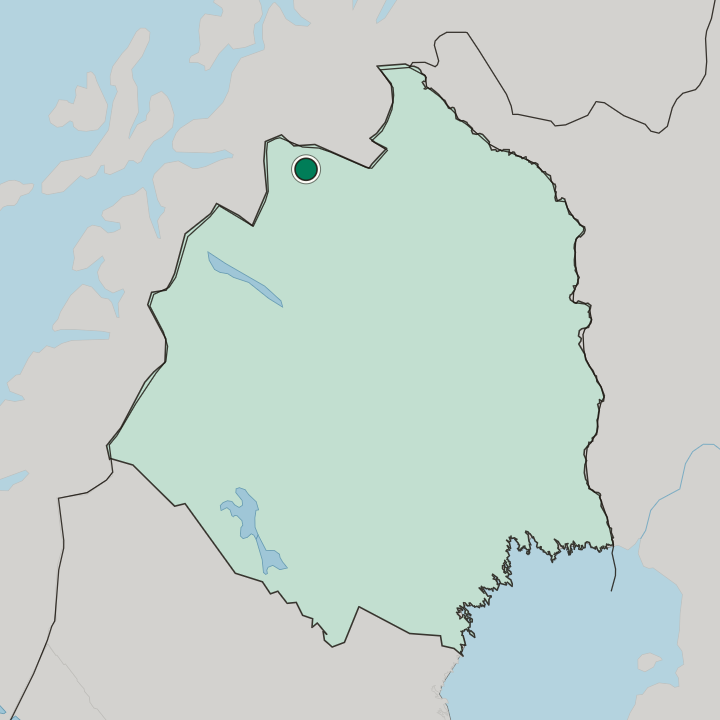
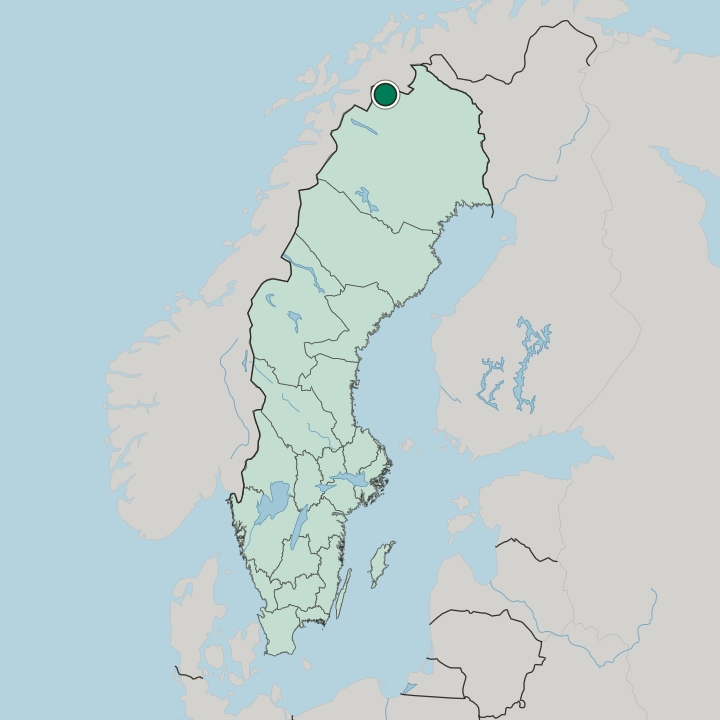
Abisko lies on the southern shore of Torneträsk, one of Sweden's largest and deepest lakes, in the far northwest of Norrbotten County. Birch forest rings the village. South of the houses the land rises quickly into the fells of Abisko National Park, cut by the gorge of the Abiskojåkka, with the summit of Nuolja standing west above the lake.
The gap of Lapporten opens in the mountains to the southeast. Norway begins beyond the fells upline at Riksgränsen.
What is the climate of Abisko?
Abisko sits in one of the driest corners of Sweden. Fells to the west wring the moisture from Atlantic air before it reaches the lake basin, so skies break open here while neighbouring valleys sit under cloud. Winters run long, dark, and very cold.
The aurora season stretches from autumn to early spring, polar night included, and ice lies late on Torneträsk. Summer brings the midnight sun and weeks of walking weather, though snow can dust the tops in any month.
How do you get to Abisko?
Night trains from Stockholm stop in Abisko. The Iron Ore Line serves two halts, Abisko Östra in the village and Abisko Turiststation by the park, before running on toward Riksgränsen and Narvik. Kiruna lies about an hour east.
Its airport takes the nearest flights, with buses and trains covering the last stretch along Torneträsk, and the E10 road shadows the railway the whole way. Drivers should respect winter conditions. Snow, ice, and reindeer share the road through the dark months.
Common questions
What is the best area to stay in Abisko?
Abisko Turiststation: hikers starting the Kungsleden. Abisko Östra: independent aurora watchers. Björkliden: fell views toward Lapporten.
Good for
More cities in Norrbotten County
Updated September 2026