Sweden · Norrbotten County
Where to Stay in Riksgränsen, Norrbotten County
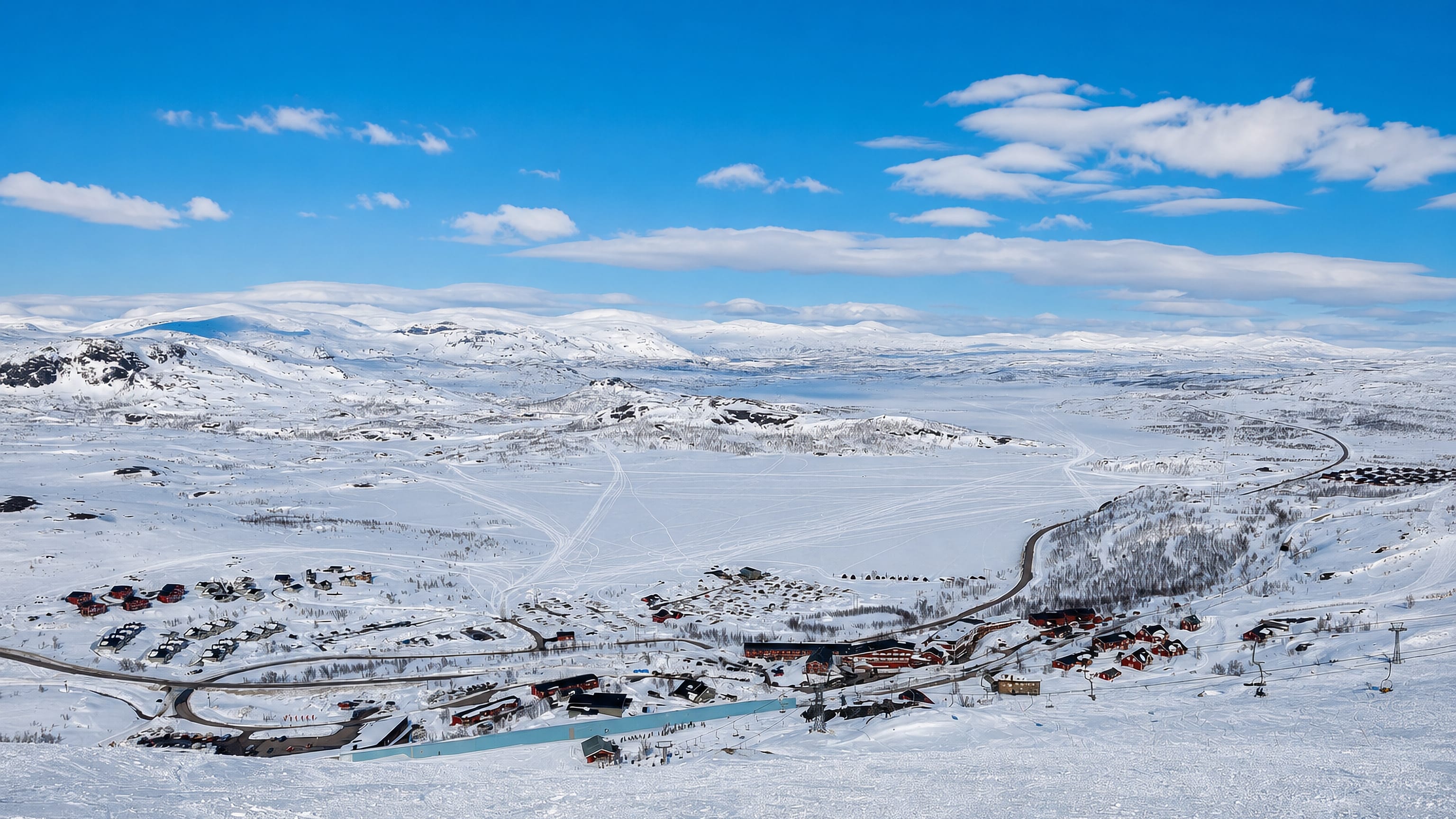
Skiers ride under the midnight sun at Riksgränsen, a border resort in Norrbotten County on the Norwegian frontier, far north of the Arctic Circle.
Hotel links are affiliate links: booking through them may earn us a commission, at no extra cost to you. It never affects how places are ranked. How this works


Where to stay in Riksgränsen
Where the beds are, and what that means for the visit.
Riksgränsen has one centre of gravity, the resort hotel beside the railway station, and almost every bed in the hamlet belongs to it. Choose it for ski-to-door simplicity. Rooms and apartments face straight onto the slopes, and the spring weeks from April to midsummer fill first with freeriders and returning regulars, so book months ahead for May.
It suits you if you want lifts, dinner, and the mountain in one walkable knot. Katterjåkk, a few minutes east along the line, offers a quieter and simpler alternative with its hostel and holiday cabins under the same fells. Björkliden spreads farther east toward Torneträsk, a ski village with cabins and a mountain lodge that works well for families combining slopes with northern lights.
Narvik tempts across the border. The Norwegian port town, under an hour away by road or rail, gives travellers city hotels and a harbour to walk, with day trips back to the snow.
Find hotels in Riksgränsen
Direct booking searches for these neighbourhoods.
Riksgränsen resort
rooms beside the station with lifts, dinner, and slopes in one knot. Rooms are few around here — worth securing early.Find hotels in Riksgränsen resortsimple self-catered staysKatterjåkk
hostel and holiday cabins a few minutes east under the same fells. Few places to stay nearby — book ahead.Find hotels in Katterjåkkfamilies pairing skiing with aurora nightsBjörkliden
cabins and a mountain lodge east toward TorneträskFind hotels in BjörklidenHotel links are affiliate links: booking through them may earn us a commission, at no extra cost to you. It never affects how places are ranked. How this works
About Riksgränsen
What is Riksgränsen known for?
Riksgränsen is known as the northernmost alpine ski resort in the world, lying roughly 200 kilometres north of the Arctic Circle on the border between Sweden and Norway. The season starts in February. Snow lasts so long here that the lifts keep turning into June, when skiers ride under the midnight sun, and one piste famously crosses into Norway and swings back.
Freeriders treat the spring fells as a pilgrimage. The name itself simply means the national border.
What are the main landmarks in Riksgränsen?
Riksgränsen's landmarks are the railway and the border itself. The Iron Ore Line from Kiruna to Narvik, driven over these fells in 1902, gave the hamlet its station, its name, and its reason to exist. Stone cairns mark the frontier.
Skiers cross beside them where the famous border piste loops into Norway above the Rombaksfjord and returns to Swedish snow. East along the line, the cabins of Katterjåkk shelter below the fells, and the lake at Vassijaure mirrors the midnight sun.
What is the history of Riksgränsen?
Riksgränsen exists because of a railway. Navvy crews hauled the Iron Ore Line over the border fells at the turn of the twentieth century, and when the rails from Kiruna reached Norwegian Narvik in 1902, a station and customs post stood at the boundary. The hamlet took the border's own name.
Work crews left, weather stations and railway families stayed, and the place might have faded entirely had the snow not proved so deep and so late. Skiers found it from the nineteen thirties. A mountain hotel grew by the station, spring skiing under the midnight sun became its signature, and by the late twentieth century Riksgränsen stood as the spiritual home of Swedish freeriding.
The border drawn through these fells in 1751 still shapes daily life, since Narvik and its fjord lie closer than any Swedish town.
Where is Riksgränsen?
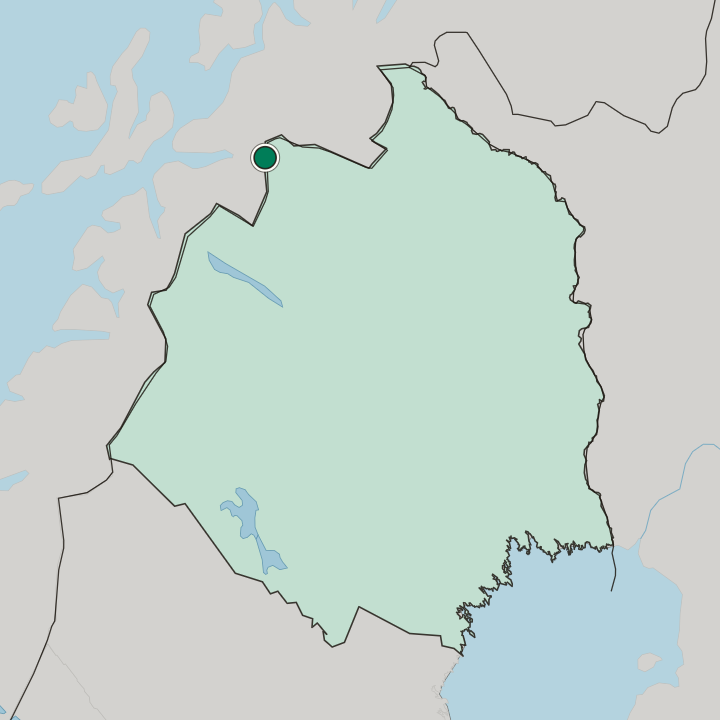
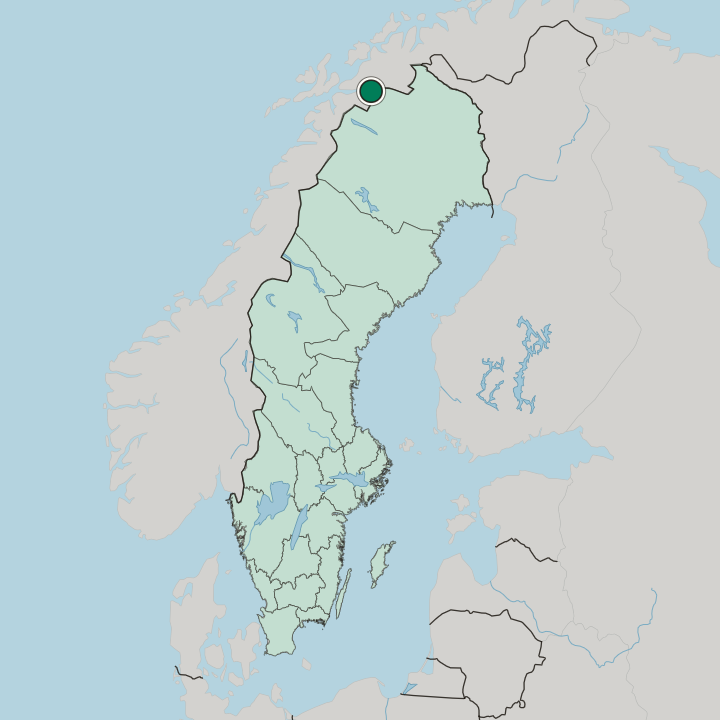
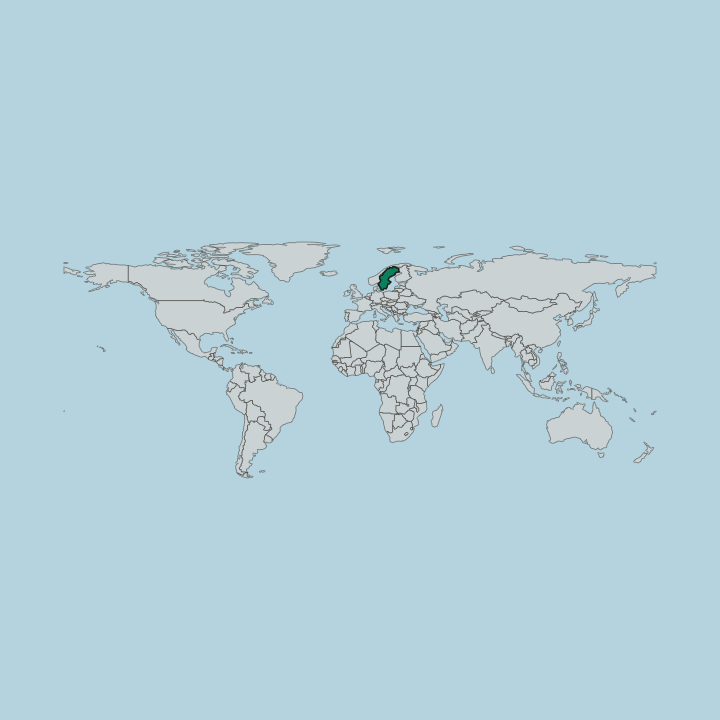
Riksgränsen sits at the northwestern tip of Norrbotten County, hard against the Norwegian border in the mountains of Lappland. No Swedish settlement lies farther up the line. The fells around the hamlet drop west toward the Rombaksfjord and Narvik on the Norwegian side, while eastward the high country runs past Katterjåkk and Björkliden to the great lake of Torneträsk and the peaks of Abisko.
Treeless slopes hold snow into summer. Kiruna, the nearest Swedish town, lies far to the southeast across open fell and bog.
What is the climate of Riksgränsen?
Winter at Riksgränsen runs close to half the year. Polar night darkens midwinter, aurora arcs over the fells, and the deep maritime snowfalls blowing in from the Norwegian Sea pile drifts that outlast the southern resorts by months. Midnight daylight is normal here.
From late May the sun never sets, and the lifts spin through June on snow that fell back in the dark season. Summers stay cool and brief on these heights. Weather shifts violently when Atlantic fronts cross the border mountains.
How do you get to Riksgränsen?
Riksgränsen is one of the few ski resorts in Sweden with its own railway station. Trains on the Iron Ore Line stop steps from the hotel, with night services from Stockholm running via Kiruna and Norwegian trains continuing down to Narvik. The E10 road follows the same corridor.
Drivers reach the border in about an hour and a half from Kiruna, and flights into Kiruna Airport or Evenes near Narvik feed the fells from either side. Few places this remote are so easy to reach.
Common questions
What is the best area to stay in Riksgränsen?
Riksgränsen resort: spring freeride weeks. Katterjåkk: simple self-catered stays. Björkliden: families pairing skiing with aurora nights.
Good for
More cities in Norrbotten County
Updated September 2026