Iran
Ardabil Province, Iran — Towns & Travel Guide
Ardabil Province is Iran's cold north-western highland, ringed by mountains under the volcano Sabalan and the Safavid shrine at Ardabil.
Find your area →


Towns & cities in Ardabil Province
Pick a town or city — each links to where to stay.

 Iran
Iran
Ardabīl
Ardabil is a city of the cold mountains of northwestern Iran, famed for the Safavid shrine of Sheikh Safi and for the finest of Persian carpets.Where to stay →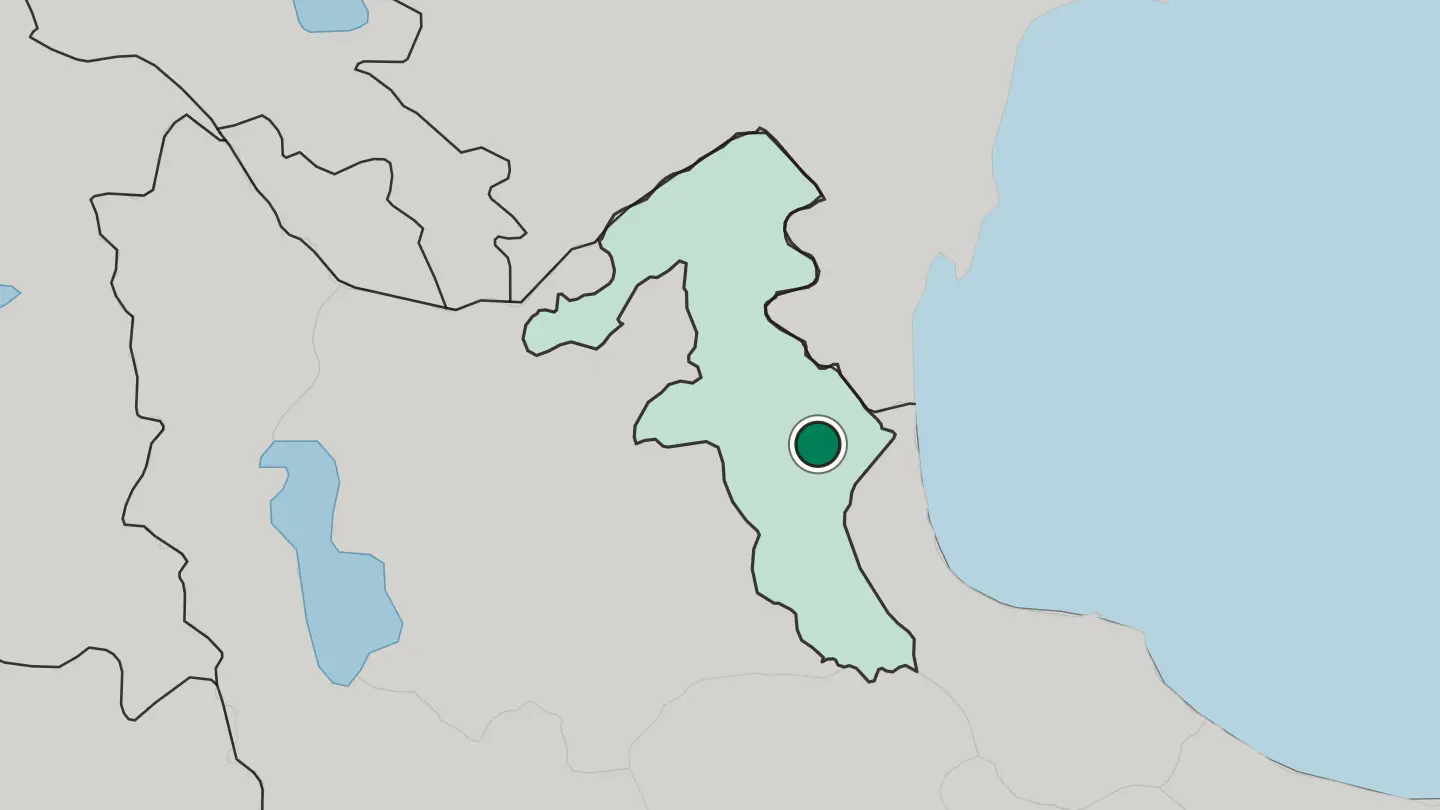 Iran
Iran
Pārsābād
Iran's northernmost city, Pārsābād sits on the Mughan plain above the Aras River, facing the Republic of Azerbaijan.Where to stay →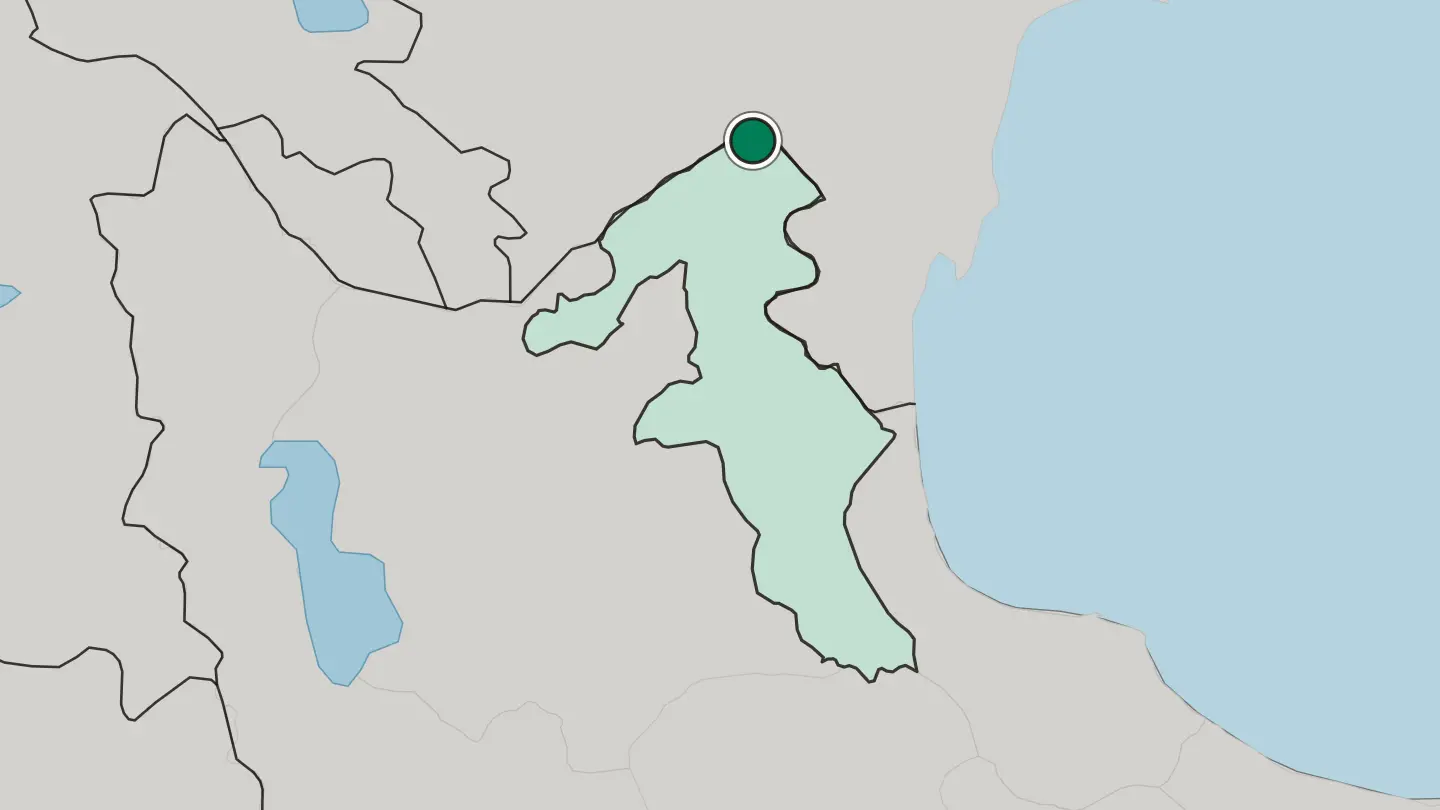
 Iran
Iran
Meshgīn Shahr
Meshgīn Shahr is the seat of Meshgin Shahr County in Ardabil province, a town of old fortress ground and the mausoleum of Sheikh Haydar.Where to stay →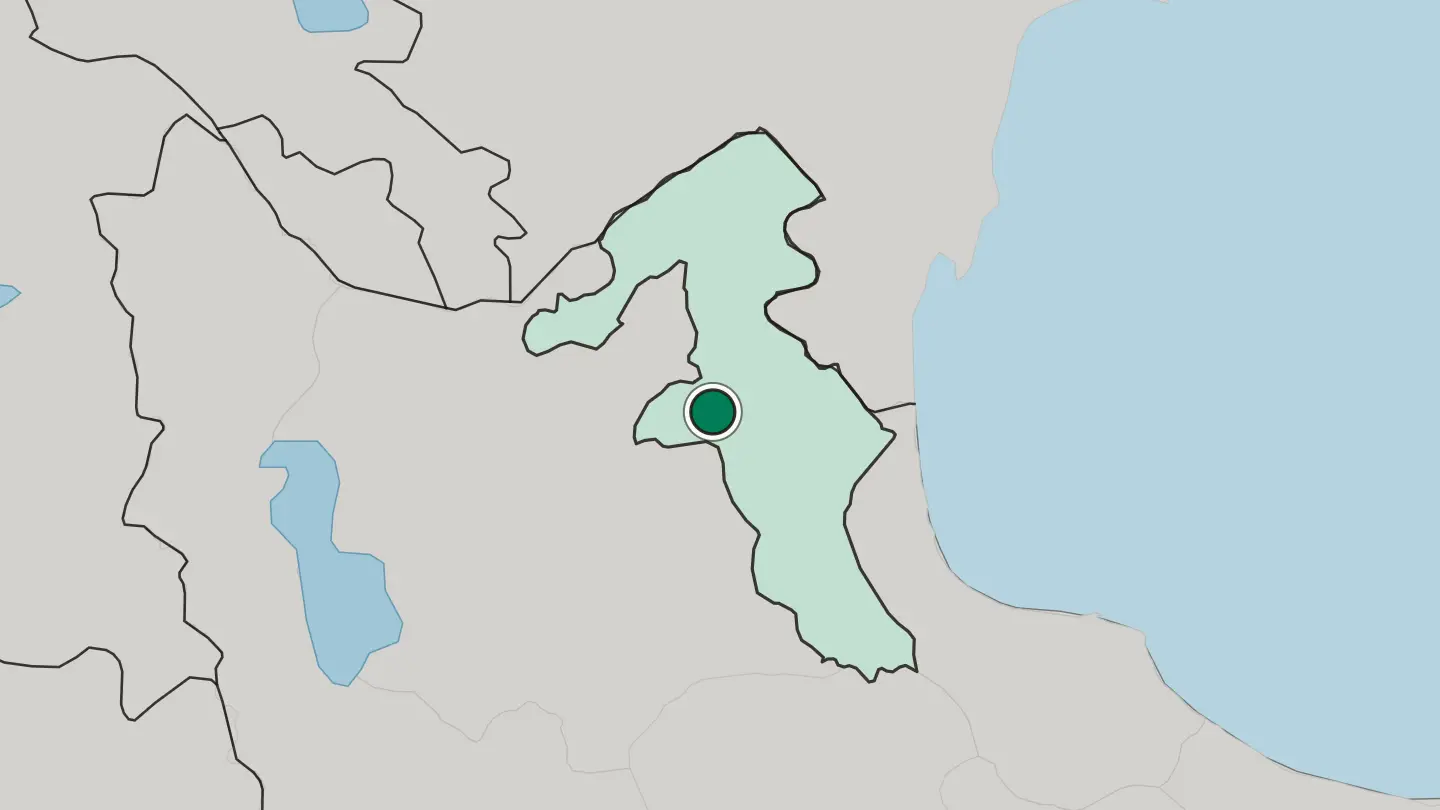
 Iran
Iran
Khalkhāl
Khalkhāl is a city of Ardabil province and the seat of Khalkhal County, keeping a historic bathhouse and an old private house at its centre.Where to stay →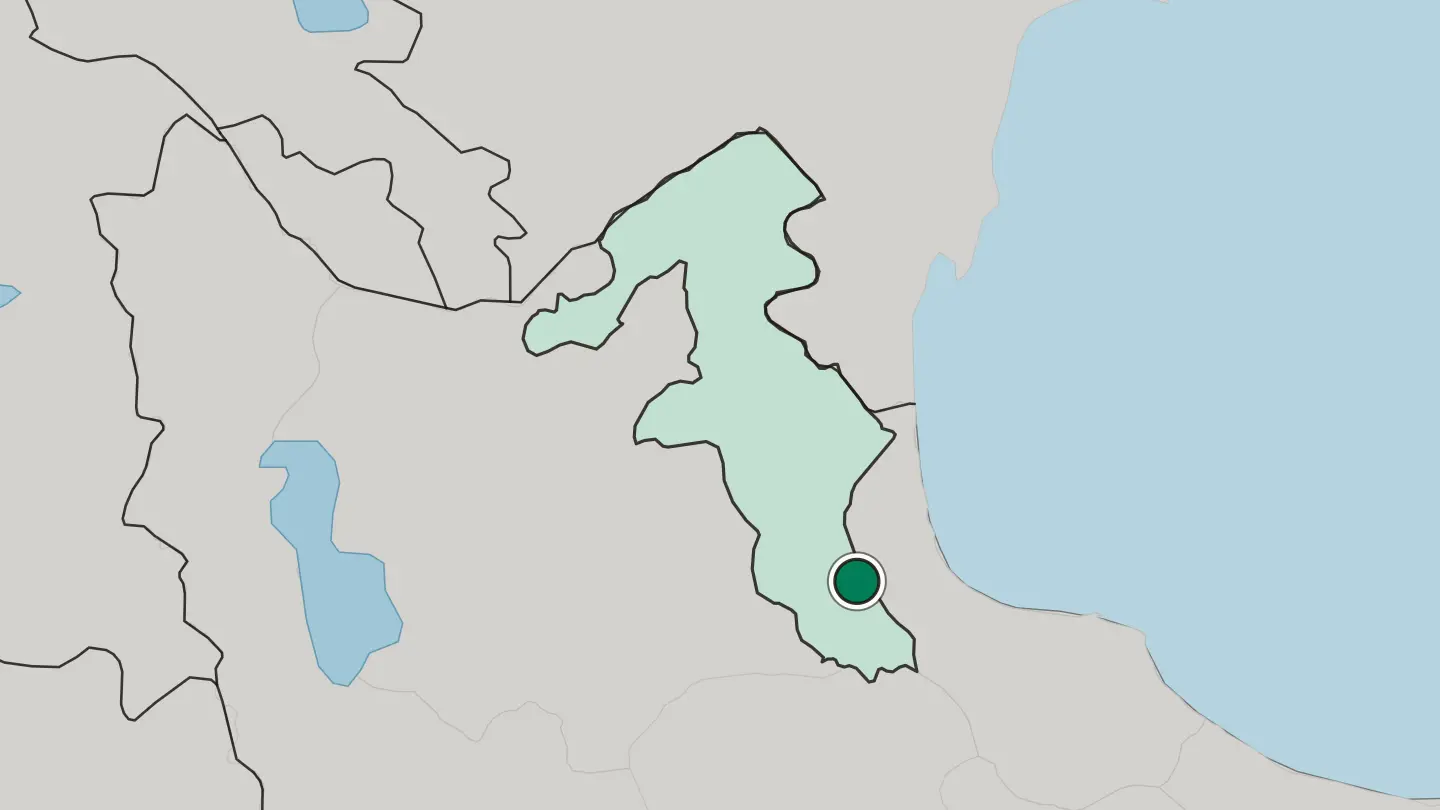
About Ardabil Province
What is Ardabil Province known for?
Two things carry Ardabil's name. One is Sabalan, the dormant volcano whose crater holds a summit lake and whose slopes feed the sulphur hot springs at Sareyn, the province's busiest spa town. The other is the Sheikh Safi al-Din shrine in the capital, the Sufi tomb from which the Safavid dynasty rose to rule Iran, now a UNESCO World Heritage Site.
Cold is the third. Ardabil ranks among the coldest corners of Iran, and its highland pastures and Azerbaijani carpets are known across the country.
Where is Ardabil Province?
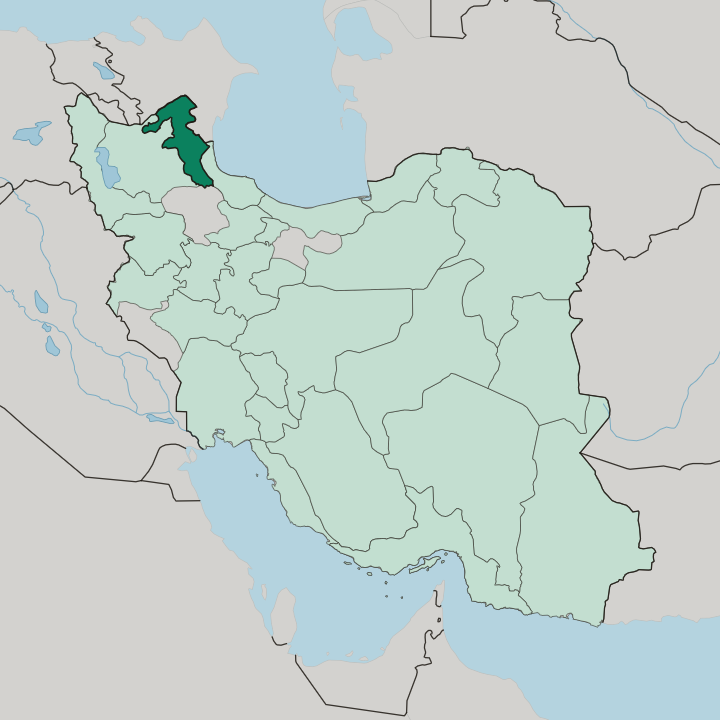
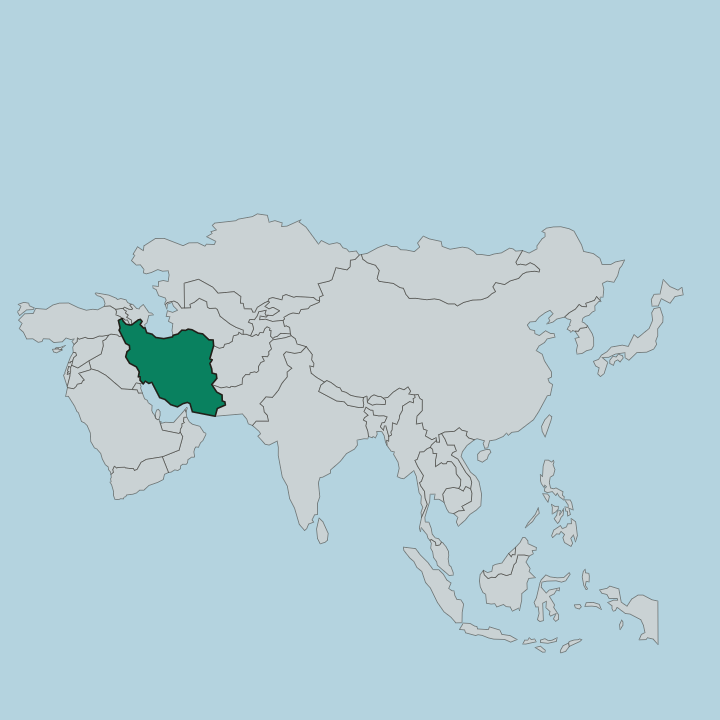
Ardabil Province sits in the far north-west of Iran, in the country's historical Azerbaijan region. Its northern edge is an international one. The Aras river runs along it, dividing the province from the Republic of Azerbaijan for much of its course. East Azerbaijan province lies to the west, Zanjan to the south, and Gilan wraps around the eastern and southern flank between Ardabil and the Caspian.
The land is high. Most of the province is a cold plateau, and the capital stands on an open highland plain ringed by mountains on almost every side. Sabalan rises at the centre, a dormant volcano ranked third among the peaks of Iran, its crater cupping a small summit lake.
To the east the Talesh mountains form a green wall that shuts the province off from the Caspian shore, only a short distance away but a hard climb below. The Heyran pass threads that wall toward Astara on the coast. In the north the ground drops to the Moghan plain, a warm farming lowland along the Aras.
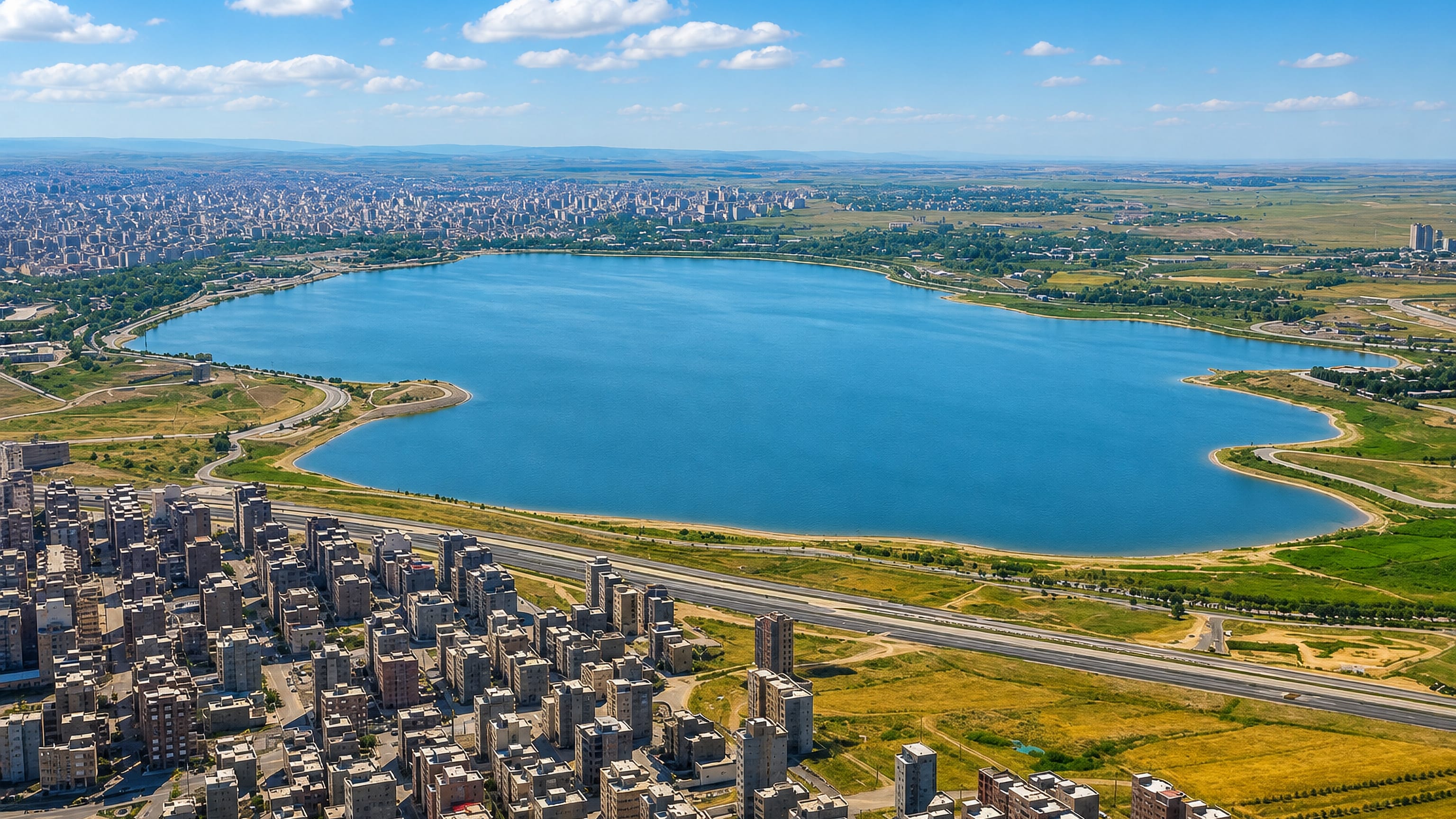
Higher up, Neor lake sits among the summer pastures, and Shorabil lake lies at the capital's own edge. Water here runs north to the Aras, not to the sea.
What is Ardabil Province like?
Ardabil is Azerbaijani country. The majority speak South Azerbaijani, a Turkic tongue, and Persian is the language of school and office rather than the street. Small pockets keep older tongues, Tati and Talysh, alive in the valleys.
The culture is a highland, pastoral one, shaped by long winters and the summer move to mountain grass. The Shahsevan, a nomadic people of the Moghan plain and Sabalan's flanks, still raise their round felt tents on the high pastures and weave the flat rugs the province is known for. Weaving runs deep here, and the name Ardabil carries it far.
The Safavid-era Ardabil carpet, woven for the Sheikh Safi al-Din shrine, is counted among the finest in the world. The shrine itself anchors a strong Sufi memory, the Safavid order having grown from it. Table culture is its own thing.
Ardabil is known across Iran for a black halva, dense and dark, and for the honey and dairy of its pastures. Sareyn adds a bathing culture on top, a habit of coming to soak in the hot springs that is as social as it is medical.
What is the history of Ardabil Province?
Ardabil's history turns on one family. In the early fourteenth century the Sufi master Sheikh Safi al-Din founded a religious order in the town, and over the next two hundred years it hardened from a brotherhood into a military and political force. From Ardabil in 1501, his descendant Shah Ismail I set out to conquer Iran and founded the Safavid dynasty, the line that would rule the country for more than two centuries.
He soon shifted his capital west to Tabriz. The shrine over the founder's tomb kept growing for generations after, and the town stayed the dynasty's spiritual home long after power moved on.
What is the climate of Ardabil Province?
Cold defines Ardabil. The high plateau around the capital sees long, snow-bound winters and only short, mild summers, and Sabalan holds snow on its cone well into the warm months. The Talesh mountains wall off the damp Caspian air to the east, so the highland interior stays dry and continental rather than humid.
Down on the Moghan plain in the north the winters ease and the growing season lengthens. Frost is the rule up high, not the exception.
How do you get to Ardabil Province?
Ardabil's own airport handles domestic flights, most of them the short hop from Tehran. Overland is how most people come. The main road climbs east from Tabriz over the hills, and another runs up from Tehran through Zanjan to the plateau.
The prettiest way in is the Heyran pass, which switchbacks down through green forest from the cold highlands to Astara on the warm Caspian coast. Road crossings link the province to the Republic of Azerbaijan in the north. A rail line toward Ardabil has been slow in coming.
Common questions
What is the best area to stay in Ardabil Province?
Ardabil: the Safavid shrine and the Shorabil lakeside. Meshgin Shahr: the north face of Sabalan. Parsabad: the Moghan plain farm country.
Good for
More regions in Iran
Updated September 2026