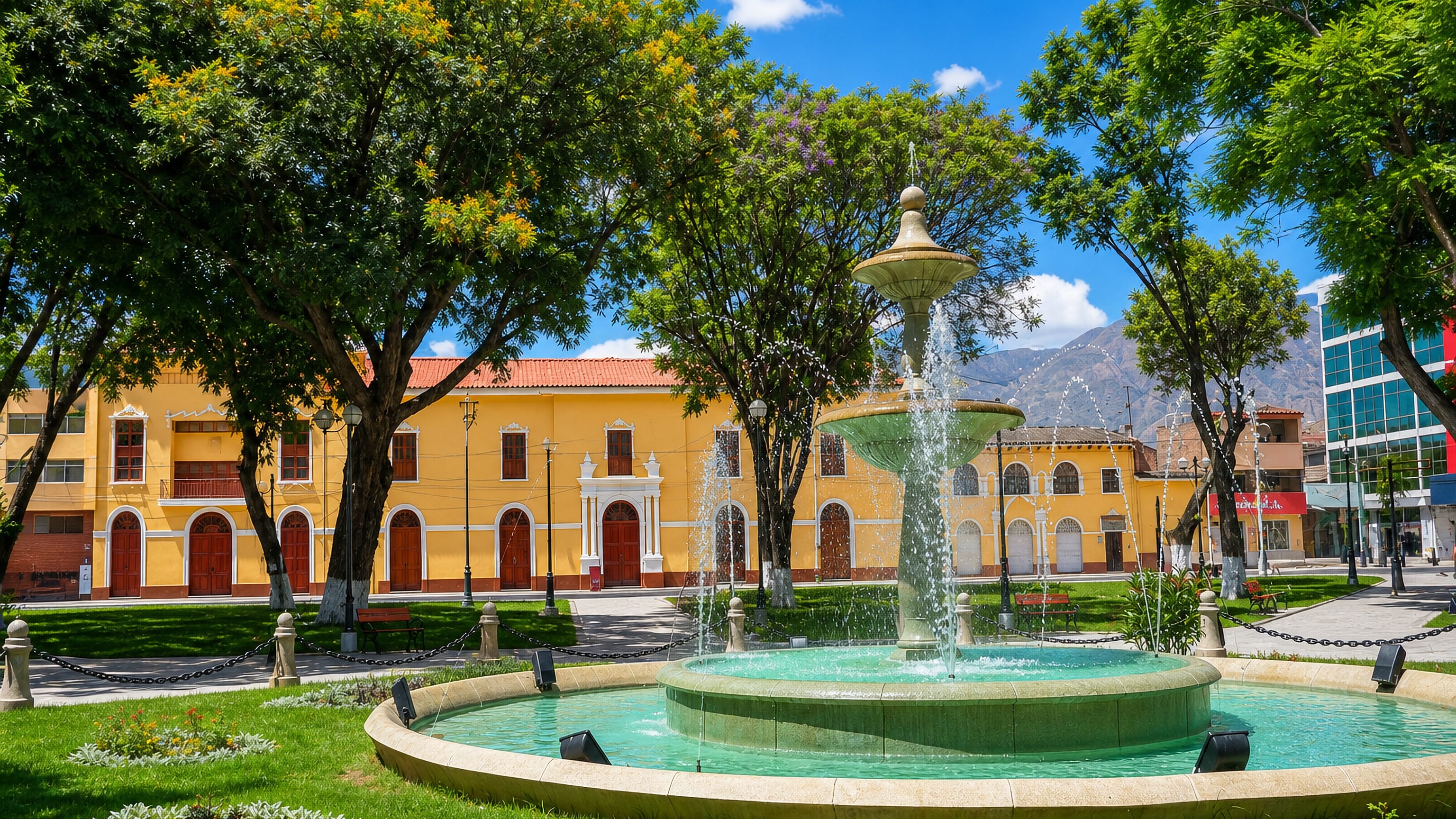
Peru
Departamento de Huánuco, Peru — Towns & Travel Guide
Departamento de Huánuco is a region of central Peru where the Andean sierra drops into high jungle along the Huallaga River.
Hotel links are affiliate links: booking through them may earn us a commission, at no extra cost to you. It never affects how places are ranked. How this works


Towns & cities in Departamento de Huánuco
Pick a town or city — each links to where to stay.

 Peru
Peru
Huánuco
Huánuco is a city of the central Andes in Peru, a green valley town on the Huallaga, famed for its eternal-spring climate and the temple of Kotosh.Where to stay →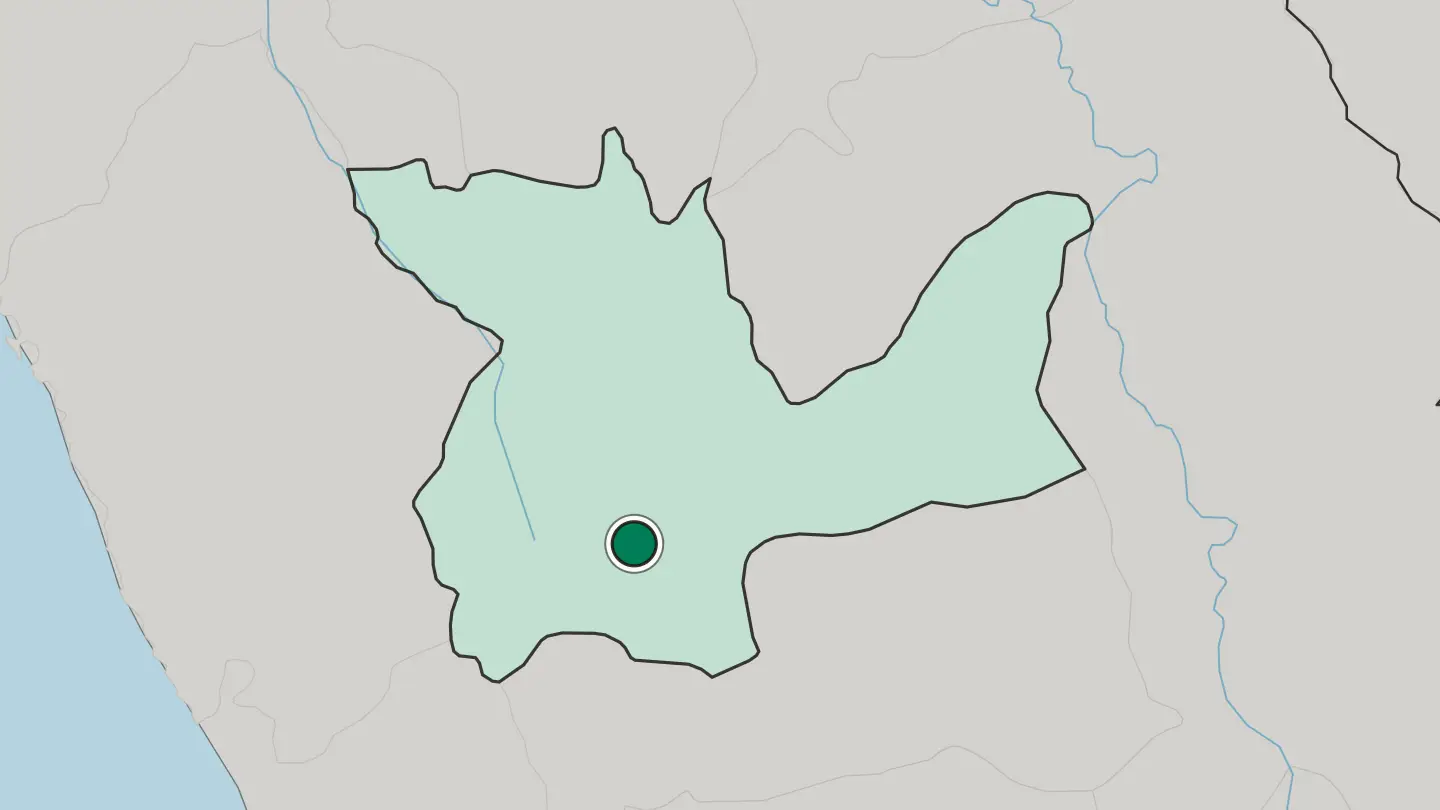
 Peru
Peru
Tingo María
Tingo María, also written Tinku Mariya, is the capital of Leoncio Prado Province in the Huánuco Region of central Peru, founded in 1938.Where to stay →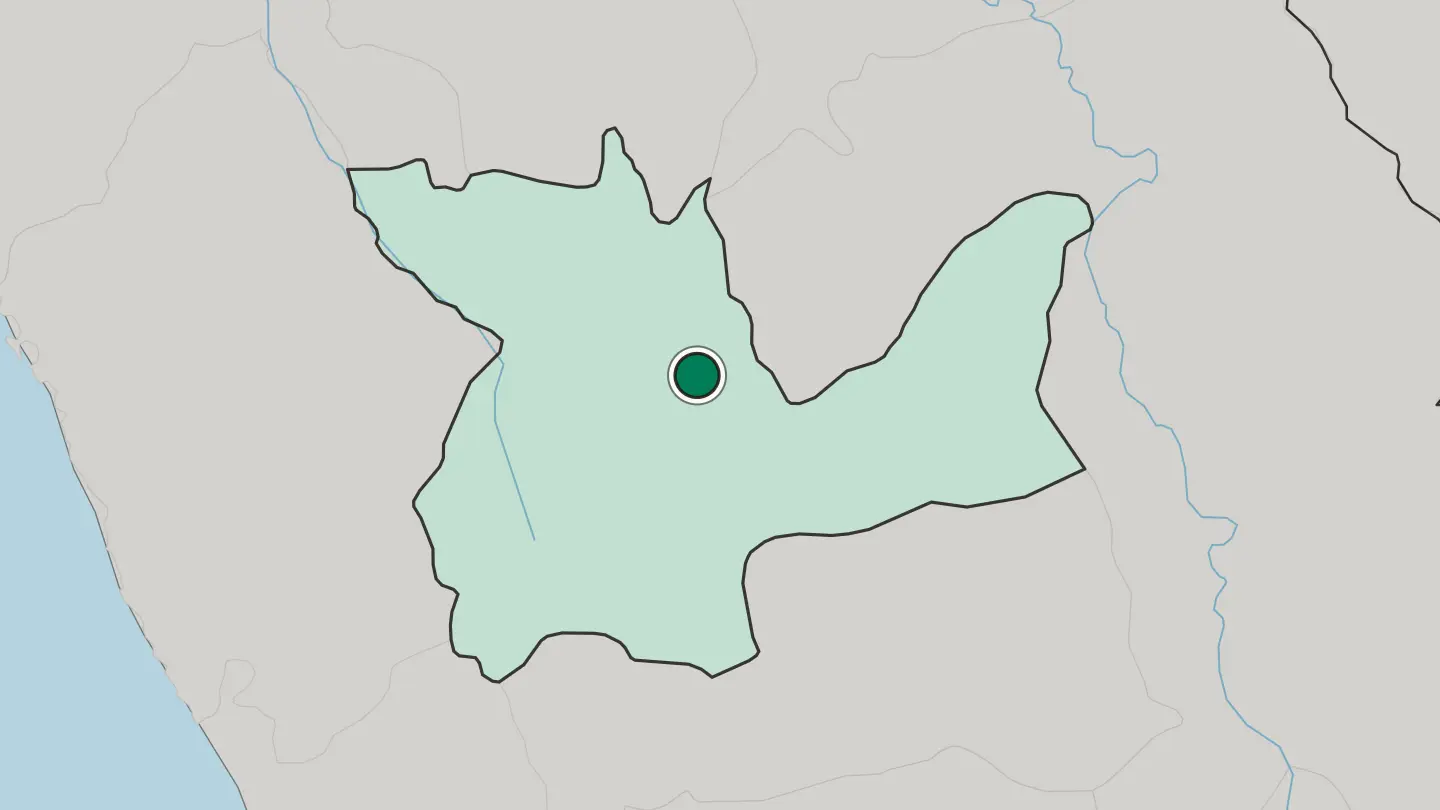
Hotel links are affiliate links: booking through them may earn us a commission, at no extra cost to you. It never affects how places are ranked. How this works
About Departamento de Huánuco
Kotosh made Huánuco famous.
What is Departamento de Huánuco known for?
The Temple of the Crossed Hands there holds a mud relief of two clasped hands modelled around 2000 BC, one of the earliest human works in the Americas. The region also keeps a full Inca chapter at Huánuco Pampa, a stone administrative city on the highland grass near La Unión. Down in the warm valleys, Tingo María opens the door to the Amazon, and the Cueva de las Lechuzas draws visitors to its colony of oilbirds.
Kotosh, the Inca ruins, and the jungle caves give the region three very different reasons to come.
Where is Departamento de Huánuco?
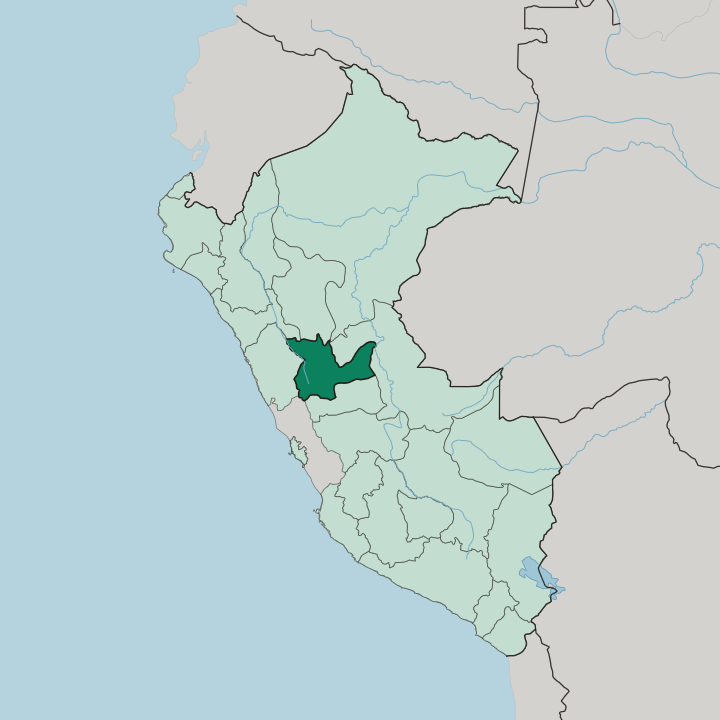
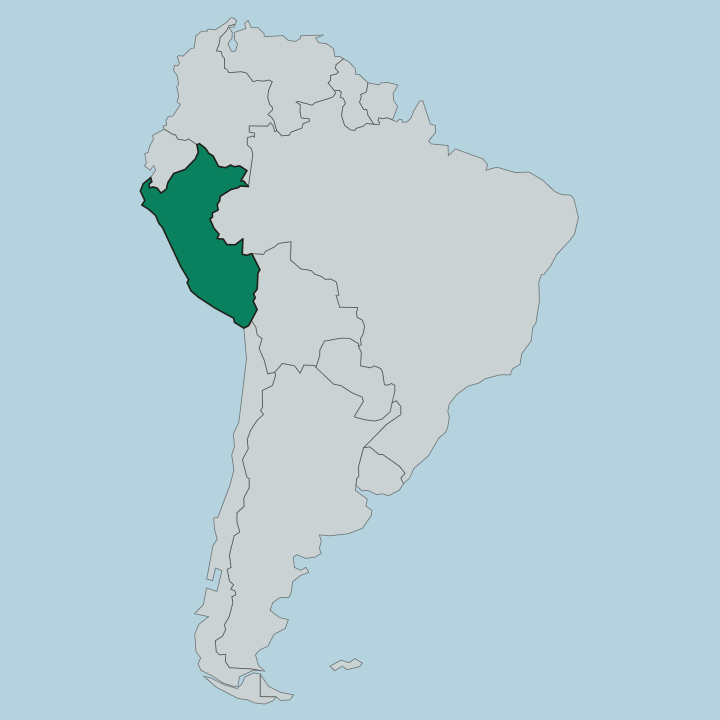
Departamento de Huánuco sits in the north-centre of Peru, straddling the point where the eastern Andes break down into Amazon lowland. Three rivers organise the whole region. The Marañón cuts the western edge, the Huallaga runs through the middle past the capital, and the Pachitea drains the far east toward the jungle.
This is a land of two heights. In the west and south the terrain is high sierra, cold and treeless above the valley floors; in the east it falls into selva alta, the humid forested slopes Peruvians call the high jungle. The regional capital of Huánuco stands in the Huallaga valley, well up in the sierra.
Follow that same river downstream to the north-east and the road drops sharply into the heat, reaching Tingo María where the forest begins in earnest. Six departments enclose Huánuco. Pasco lies to the south and Lima and Ancash to the west, while San Martín, Loreto and Ucayali wrap the northern and eastern borders.
The Huallaga ties the two worlds together, gathering highland streams and carrying them down into the Amazon basin.
What is Departamento de Huánuco like?
Spanish is the everyday language, but Quechua is spoken widely through the highland districts, and its local Huánuco form carries names, songs and old field terms. The region's calendar bends around one festival above all. The Danza de los Negritos fills the streets from Christmas Eve into January, groups of masked dancers stepping to violins and bells in a tradition that grew among enslaved workers granted their brief holiday freedom.
It is loud, devotional and unmistakably Huanuqueño. The table matters just as much. Pachamanca is the signature dish, meat and potatoes cooked underground on hot stones and scented with chincho, an aromatic herb that grows across the region.
Cooks also make locro de gallina, a hen soup thick with potatoes and chilli, and picante de cuy, guinea pig in a hot sauce. Sweet prestiños round off the feast days. Between the archaeology of Kotosh and the living rite of the Negritos, the region reaches from the deep past into the present without much of a gap.
What is the history of Departamento de Huánuco?
Human settlement here predates pottery. At Kotosh, on a low rise west of the capital, the Temple of the Crossed Hands preserves a mud sculpture modelled around 2000 BC, from a settlement older still. Centuries later the Inca built Huánuco Pampa on the northern grasslands as a highland administrative capital, its plaza and stone ushnu still standing near La Unión.
Spanish settlers founded the city of Huánuco in 1539. Independence came early. In December 1820 the region rose against colonial rule, one of the first sworn stands for a free Peru.
What is the climate of Departamento de Huánuco?
Altitude sets the weather here, not the season. Sitting midway up Peru, the capital of Huánuco keeps a mild spring-like feel through most of the year, days warm and nights cool in the Huallaga valley. Climb west into the sierra and it turns cold, with frost on the high ground above the towns.
Drop east toward Tingo María and the air thickens into wet tropical heat, the rains heaviest from about November through March. One region, three climates, stacked by height.
How do you get to Departamento de Huánuco?
Most travellers fly in from Lima. The airport at Huánuco takes short daily hops from the capital, cutting a long mountain drive down to under an hour in the air. By road, the route climbs the central Andes from Lima before dropping into the Huallaga valley, a demanding but scenic haul.
From the city, a single paved road follows the river north-east to Tingo María and the jungle. Public buses and shared cars cover the same links between the highland towns.
Common questions
What is the best area to stay in Departamento de Huánuco?
Huánuco: a first base with hotels and archaeology. Tingo María: the high jungle and the owl cave. La Unión: reaching Huánuco Pampa.
Good for
More regions in Peru
Updated September 2026