Iran
Semnan Province, Iran — Towns & Travel Guide
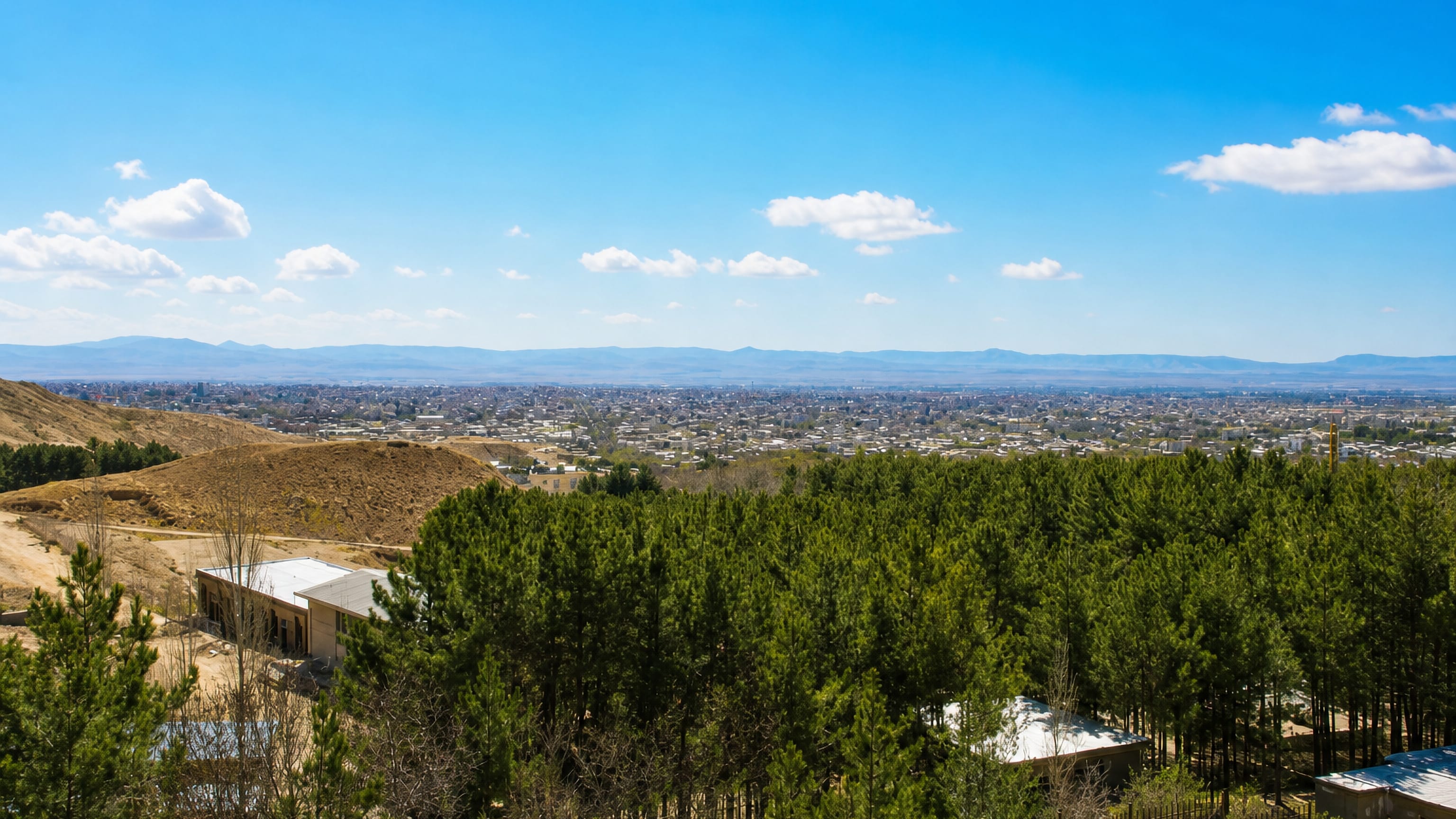
Semnan Province stretches across northern Iran, from the snow-dusted Alborz range down to the salt flats of the Dasht-e Kavir desert.
Find your area →


Towns & cities in Semnan Province
Pick a town or city — each links to where to stay.

 Iran
Iran
Shahrud
Shahrud is a city in Semnan province, Iran, capital of Shahrud County and the seat of its Central District.Where to stay →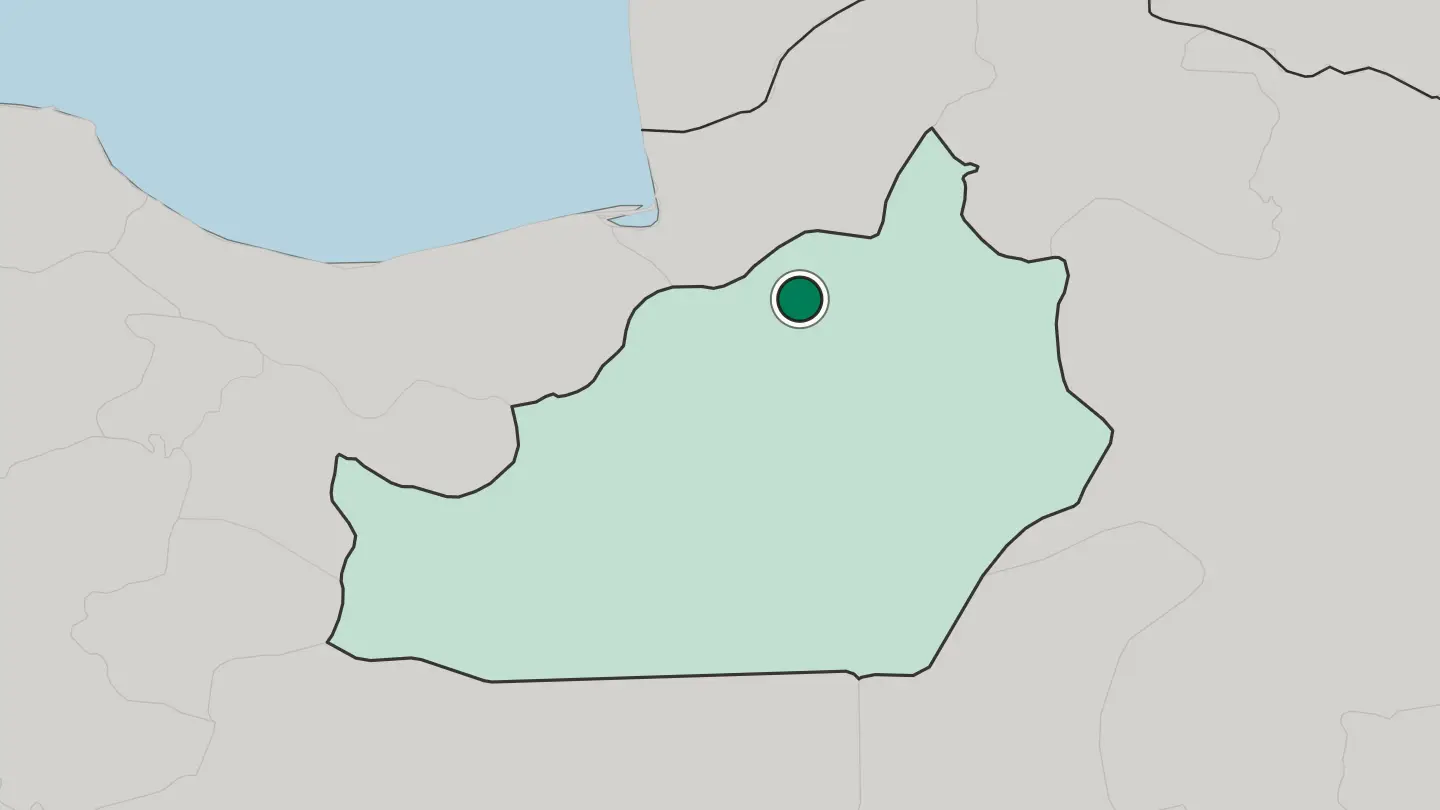
 Iran
Iran
Semnan
Semnan stands on an alluvial fan. The provincial capital, on the Golrudbar creek between Tehran and Mashhad, is the hub of the Semnani language.Where to stay →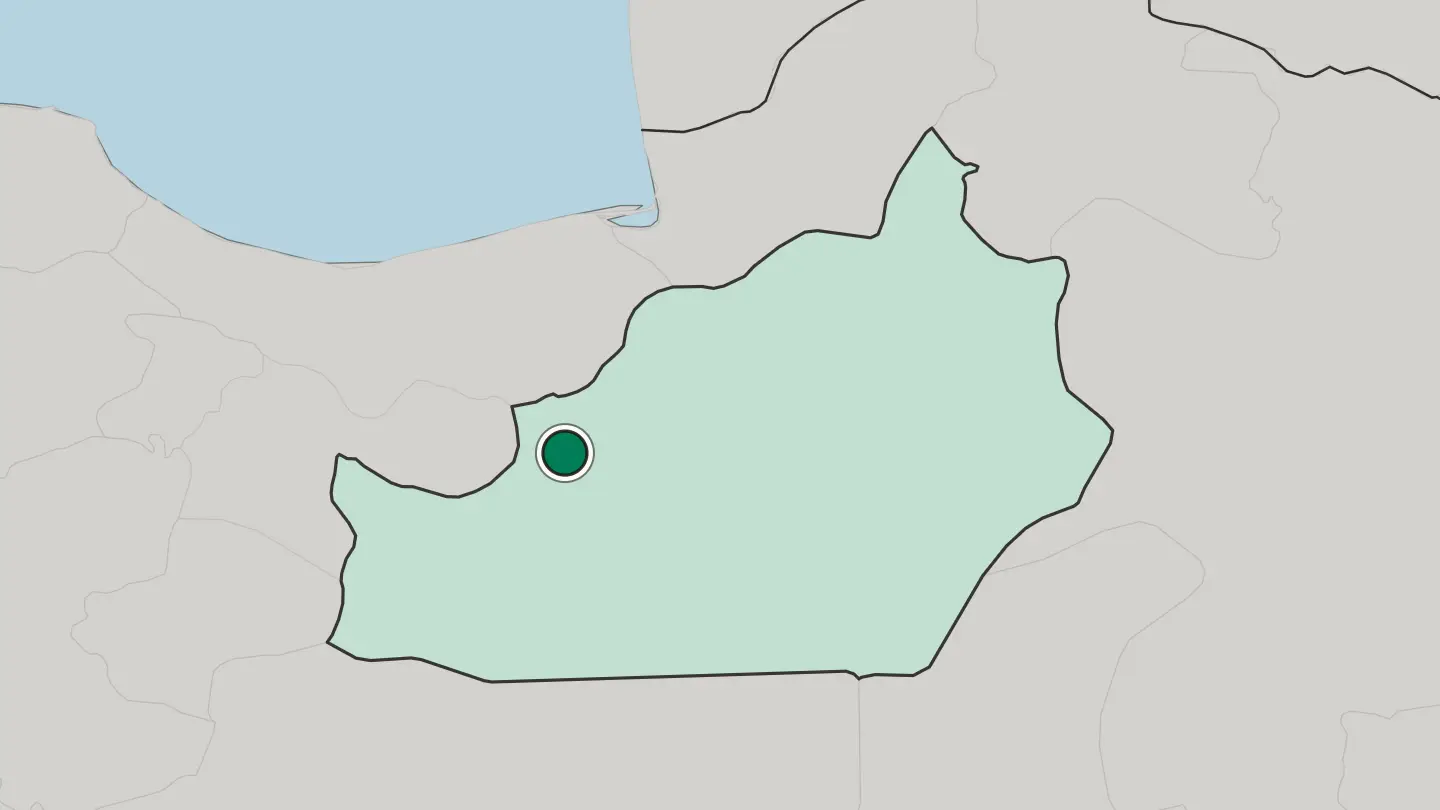
 Iran
Iran
Dāmghān
Dāmghān keeps its two towers. Chehel Dokhtaran Tower and Pir-e Alamdar Tower stand over a county seat in Semnan province that also holds Tepe Hissar.Where to stay →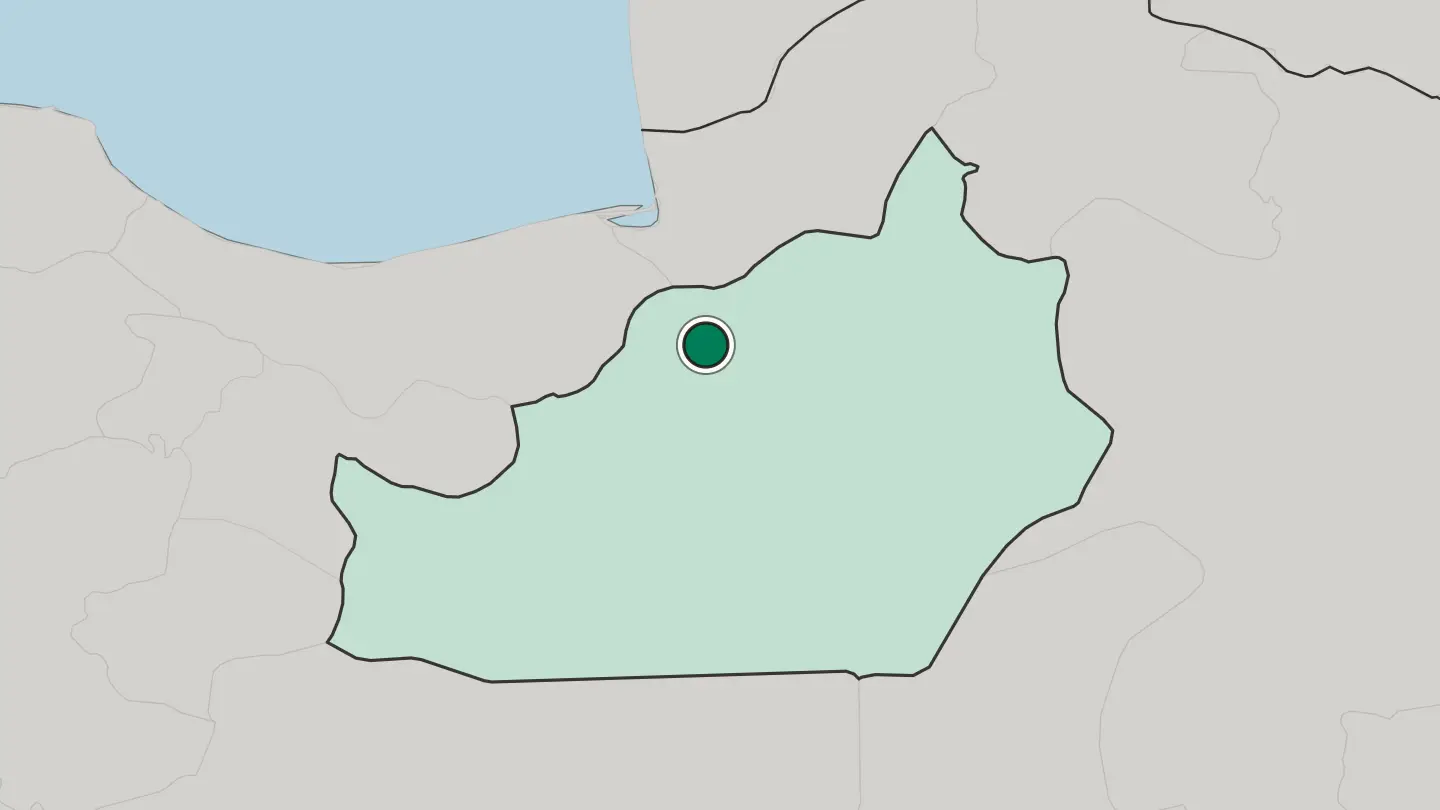
About Semnan Province
Desert and mountain share the province.
What is Semnan Province known for?
The old Silk Road threaded its caravans along the province's northern towns, and the mud-brick caravanserais that sheltered them still line the route between Semnan and Damghan. Damghan claims one of Iran's oldest mosques, the Tarikhaneh, its columns raised on the plan of a Sassanid hall. Its orchards grow a pistachio long prized for size and taste.
Beyond the towns, the Dasht-e Kavir opens as a floor of cracked salt while the Alborz keeps snow on its peaks.
Where is Semnan Province?
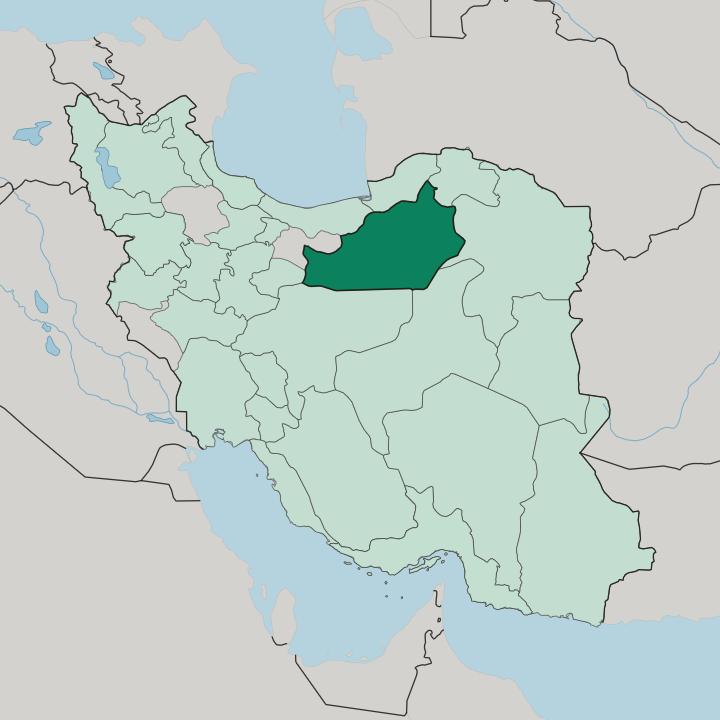
Semnan Province lies in north-central Iran. It stretches as a long, narrow band along the southern foot of the Alborz mountains, where the high range slopes down toward the dry interior of the plateau. Golestan and Mazandaran border it to the north, over the mountain crest. Tehran and Qom lie to the west. Isfahan reaches up from the south, while the Khorasan provinces wall it off to the east, along the old caravan road that ran on toward Mashhad.
It ranks among the country's larger provinces by area, yet among the emptiest. The land itself tilts. Snow holds on the northern peaks and orchards fill the high valleys, yet a short drive south reaches the cracked salt floor of the Dasht-e Kavir.
That contrast defines the province. Out on the eastern desert, Khar Turan National Park spreads over one of Iran's largest protected areas, a refuge for onager, wild sheep, and the rare Asiatic cheetah. The capital, Semnan, sits at the desert's edge.
Its towns string out along that thin, watered seam between mountain and sand, each fed by streams and underground channels off the Alborz.
What is Semnan Province like?
Language marks the province out. Persian is the common tongue, yet the older towns keep a cluster of Semnani languages, a Northwestern Iranian group spoken in Sorkheh, Lasgerd, and Sangsar that has faded almost everywhere else. Each valley guards its own dialect.
Sangsari herders drive their flocks up the Alborz in summer and down to the desert margin in winter, a rhythm older than any of the towns. Younger speakers lean on Persian, and the old dialects thin with each passing generation. Sufism left a deep mark.
The ninth-century mystic Bayazid Bastami came from Bastam near Shahrud, and pilgrims still gather at the domed shrine complex raised over his grave. Bazaars and teahouses anchor the towns. Damghan is known across Iran for its pistachios, while Shahmirzad sends down walnuts and cherries from terraces climbing the cool Alborz slopes.
Carpet-weaving and tilework carry the older crafts. Felt-makers still beat raw wool into namad, the thick local felt, working it by hand as the villages long have. Around Sangsar and Shahmirzad, weavers work the wool undyed, in bands that run from pale cream to dark brown.
What is the history of Semnan Province?
The road made the province. Under the Parthian Empire, the capital Hecatompylos stood on the plain near Damghan, one of the seats from which the Arsacid kings ruled the Iranian plateau. The Silk Road later ran straight through, tying Ray beside modern Tehran to Khorasan and the routes east.
Caravanserais rose every day's march apart. Damghan counts among the oldest continuously settled towns in Iran, its mound layered with pottery from long before the Persian empires.
What is the climate of Semnan Province?
Climate here splits with the land. The plains along the desert run hot and dry in summer and cold in winter, with the thermometer swinging sharply between afternoon and night. Rain is scarce on the flats.
Most of what falls lands on the northern heights, where the Alborz catches cloud and holds snow into spring above Shahmirzad. Down on the Dasht-e Kavir, summer bakes the salt and little grows without a channel of mountain water.
How do you get to Semnan Province?
Most arrivals come from Tehran. The main railway and highway from Tehran to Mashhad run the length of the province, threading Garmsar, Semnan, Damghan, and Shahrud in a single line along the desert edge. Trains stop in each of those towns.
Shahrud keeps a small airport for the odd domestic flight. Southward there is little but the Dasht-e Kavir, crossed by a few lonely roads toward Isfahan and the interior.
Common questions
What is the best area to stay in Semnan Province?
Semnan: a first base in the province. Shahrud: reaching Bastam and the eastern desert. Damghan: ancient Silk Road ruins.
Good for
More regions in Iran
Updated September 2026